Can’t Sleep? How CBD is Changing the Nighttime Routine in 2026
We’ve all been there—staring at the ceiling at 3:00 AM, counting sheep, and dreading the sound of the morning alarm. For years, melatonin was the go-to solution for insomnia and restless nights. But as more people experience “melatonin hangovers” and learn about potential circadian rhythm disruption, many are searching for a better natural sleep aid. Enter CBD. In 2026, CBD for sleep has become one of the most popular plant-based alternatives to traditional sleep aids. But how does it actually work, and why are so many people choosing CBD vs melatonin?
CBD (Cannabidiol) does not knock you out like a sedative. Instead, it works with your body’s Endocannabinoid System (ECS), the system responsible for maintaining balance, mood regulation, and stress response. Think of CBD as a “calm-down” molecule. CBD acts as an allosteric modulator, meaning it helps regulate receptor activity rather than overpowering it. By supporting the ECS, CBD may help lower cortisol, the primary stress hormone, calm a racing mind, relax the nervous system, and reduce physical tension. Instead of forcing sleep, CBD supports the conditions your body needs to fall asleep naturally. Recent 2024 and 2025 research on CBD and sleep suggests it may help reduce sleep latency, meaning users fall asleep approximately 21% faster, improve sleep architecture by supporting longer periods of deep, restorative NREM sleep, and reduce anxiety before bed by calming the nervous system and helping the brain switch off after a long day.
When comparing CBD vs melatonin, the biggest difference is how they affect your body. Melatonin is a hormone that directly influences your sleep-wake cycle, and supplementing it can sometimes disrupt your natural rhythm if used incorrectly. CBD, on the other hand, does not replace a hormone. It works indirectly by reducing stress and promoting relaxation, two of the most common causes of insomnia. For many people, CBD feels more natural and produces less morning grogginess compared to melatonin-based sleep aids.
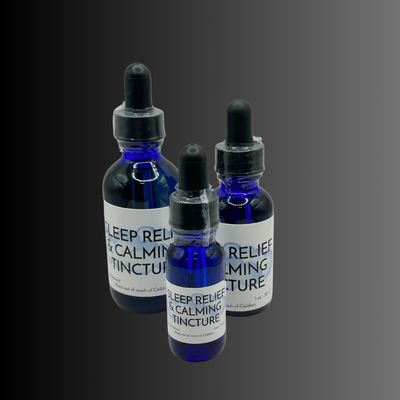
While CBD works well on its own, the biggest trend in 2026 is combining CBD and CBN for sleep. If CBD helps you get to bed, CBN (Cannabinol) helps you stay there. CBN is often called the “sleepy cannabinoid” because it has mild sedative properties, and many users report a subtle sensation of physical heaviness and deeper body relaxation. Together, CBD and CBN create a synergistic effect where CBD supports mental relaxation and CBN promotes physical calm, helping sustain deeper sleep throughout the night. When looking for the best CBD for sleep, many consumers now choose formulas that include both cannabinoids.
If you’re wondering how to use CBD for sleep, timing matters. A simple approach is the 60-minute rule: take your CBD product about one hour before bedtime. This allows your body enough time to absorb and process the cannabinoids before you intend to fall asleep. CBD sleep products may include gummies, oil tinctures, softgels, CBD and CBN blends, or infused beverages. Cannabinoids are lipophilic, meaning they bind to fat, so taking your CBD with a small fatty snack such as almond butter, yogurt, or a handful of nuts may significantly increase absorption and bioavailability.
CBD is not a magic knockout pill. It is a plant-based compound that supports balance, relaxation, and stress reduction. For many adults struggling with stress-related sleep issues, CBD offers a gentler alternative to traditional sleep medications. If melatonin hasn’t worked for you or leaves you feeling groggy, CBD or a CBD and CBN sleep formula may be a better natural sleep solution. As always, consult with a healthcare professional before starting any supplement routine.